Elm Tree Removal in Doylestown, PA
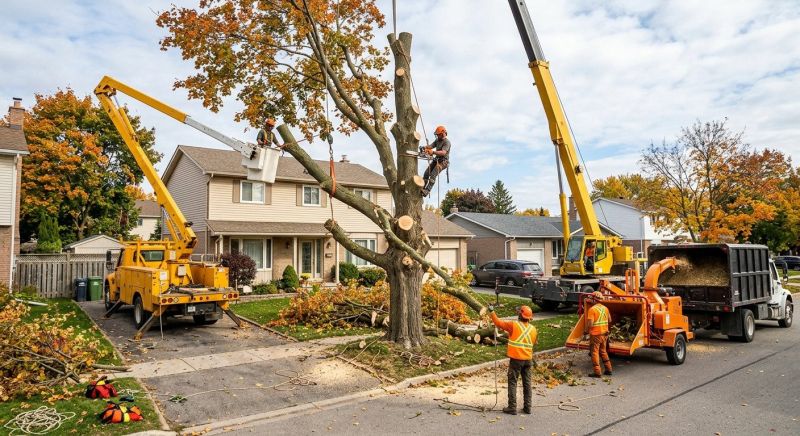
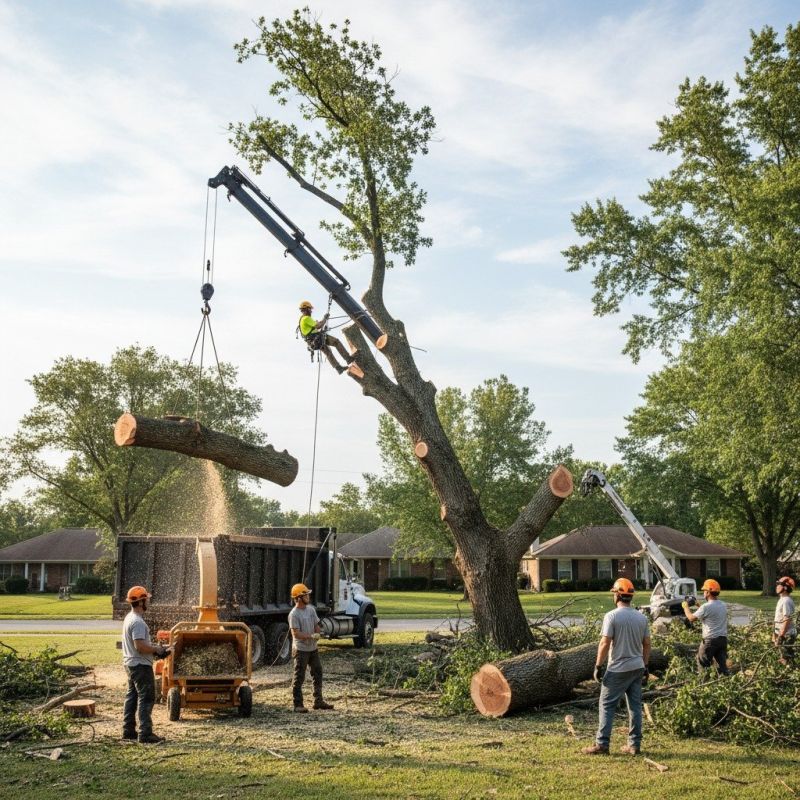
Elm tree removal services involve the careful and efficient elimination of elm trees that are dead, diseased, or pose a safety risk to a property. These projects typically include assessing the tree’s condition, planning the safest approach for removal, and performing the work using appropriate equipment to prevent damage to surrounding landscaping or structures. Property owners often request elm tree removal when trees have become hazardous due to decay, storm damage, or disease, or when clearing space for construction or landscaping projects.
Before requesting elm tree removal, homeowners should consider the size and location of the tree, as well as any potential impacts on nearby utilities, structures, or other vegetation. Understanding the extent of the work needed and any necessary permits or restrictions in the area can help ensure a smooth process. It is also helpful to evaluate whether removal is the best option or if alternative solutions, such as pruning or health treatments, might be suitable for the situation.
Many property owners in Doylestown, PA look into Elm Tree Removal for repairs, replacements, upgrades, and appearance-related improvements.
Reasons For Elm Tree Removal
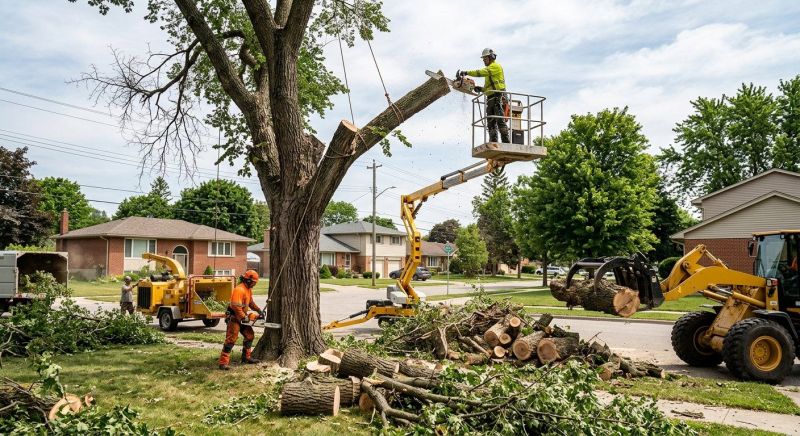
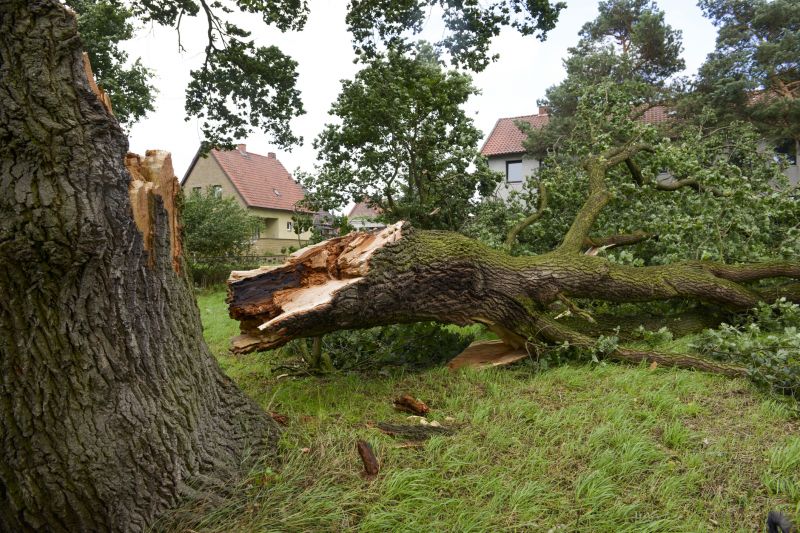
Removing damaged or diseased trees helps maintain property safety and aesthetics.
Elm Tree Removal Process
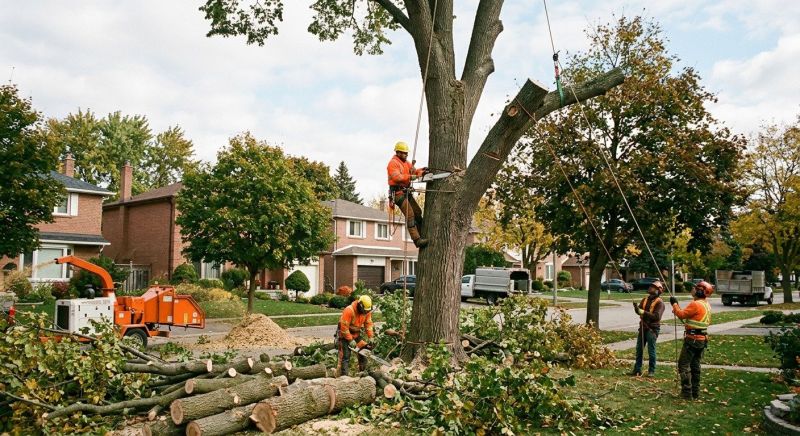
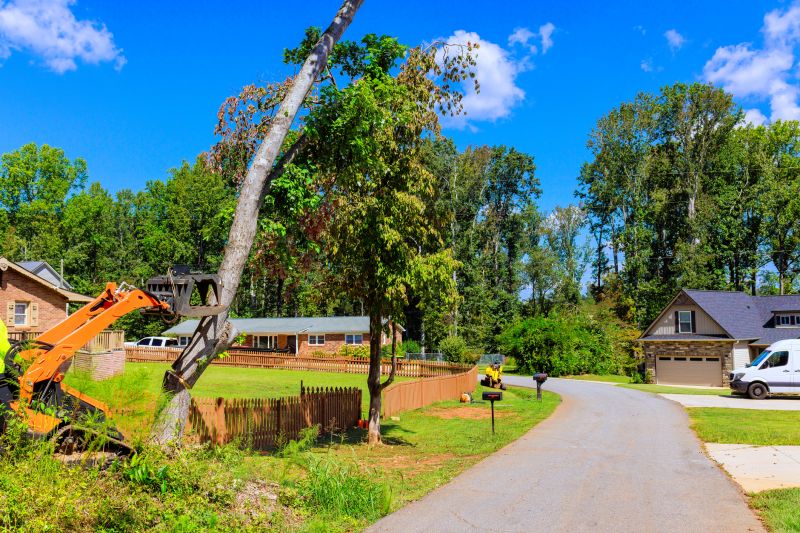
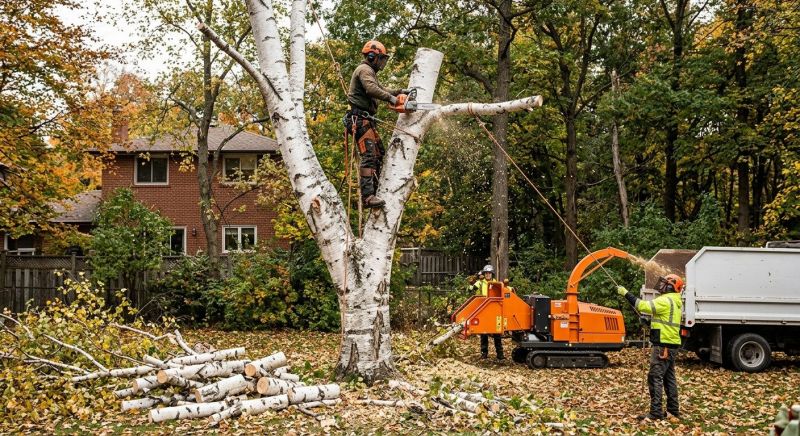
Proper removal involves careful planning to protect surrounding landscape and structures.
Post-Removal Care
Stump grinding and landscaping options can restore the area after elm tree removal.
Elm Tree Removal in Doylestown, PA
Elm tree removal services involve the careful and efficient elimination of elm trees that are dead, diseased, or pose a safety risk to a property. These projects typically include assessing the tree’s condition, planning the safest approach for removal, and performing the work using appropriate equipment to prevent damage to surrounding landscaping or structures. Property owners often request elm tree removal when trees have become hazardous due to decay, storm damage, or disease, or when clearing space for construction or landscaping projects.
Before requesting elm tree removal, homeowners should consider the size and location of the tree, as well as any potential impacts on nearby utilities, structures, or other vegetation. Understanding the extent of the work needed and any necessary permits or restrictions in the area can help ensure a smooth process. It is also helpful to evaluate whether removal is the best option or if alternative solutions, such as pruning or health treatments, might be suitable for the situation.
Many property owners in Doylestown, PA look into Elm Tree Removal for repairs, replacements, upgrades, and appearance-related improvements.
Common Elm Tree Removal Jobs
Elm tree removal - safely eliminates problematic or dead elm trees to prevent property damage.
Storm damage cleanup - removes fallen or damaged elms after severe weather events.
Overgrown tree clearance - reduces excessive elm growth to improve yard safety and appearance.
Hazard tree removal - addresses trees that pose a risk of falling or causing injury.
Stump grinding - removes remaining elm tree stumps to prevent regrowth and improve landscape aesthetics.
Tree thinning services - reduces elm canopy density to promote healthier growth and reduce storm risk.
Elm Tree Removal Questions
When is elm tree removal necessary? Removal may be needed if the tree is diseased, damaged, or poses a safety risk to nearby structures or people.
How can I tell if an elm tree should be removed? Signs include extensive decay, dead branches, or root issues that affect the tree's stability and health.
What should I consider before removing an elm tree? Consider the tree's location, potential impact on property, and whether replacement planting is desired afterward.
Are there any regulations for elm tree removal in Doylestown? Local guidelines may require permits or approvals, especially for trees near public areas or protected landscapes.
Request Elm Tree Removal in Doylestown, PA
Use the quote form on this page to share the basics of your project and request more information for the type of work you need.